
India–USA Interim Bilateral Trade Agreement: Key Features Explained
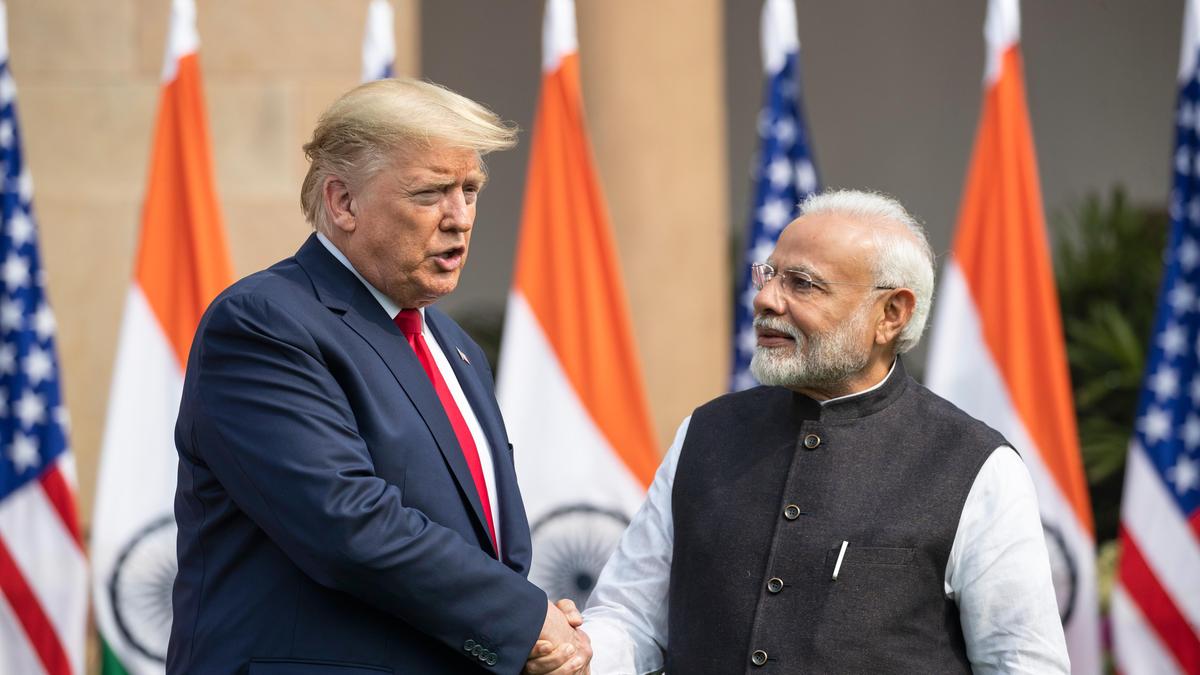
The United States of America (United States) and India have released a joint statement to clear the air on the agreed framework to finalize an interim bilateral trade agreement, further to the announcement by US President Donald Trump that was welcomed by Indian Prime Minister Narendra Modi. The statement aims to highlight the salient features of the BTA and to answer critics by spelling out the intricate details. A statement released 6th February 2026 said the two nations had reached a framework for a reciprocal and mutually beneficial interim BTA. This is the first conclusive step after US-India BTA negotiations were launched by President Trump and Prime Minister Modi a year ago on 13th February 2025. The announcement indicates that a broader and more comprehensive BTA will follow. The joint announcement formally removes the stalemate of more than 6 months. The statement says this interim agreement was reached to allow additional market access commitments and support more resilient supply chains. It represents the common commitment to reciprocal and balanced trade based on mutual interests and concrete outcomes. The United States and India commit to providing each other preferential market access in sectors of respective interest on a sustained basis. The United States and India will establish rules of origin that ensure that the benefits of the agreement accrue predominately to the United States and India. President Trump has signed an executive order removing the 25% tariff penalty on India, saying, "India has committed to stop directly or indirectly importing Russian oil and has represented that it will purchase energy from the US. I have determined that India has taken significant steps to … align sufficiently with the US,” end quote. The Modi government released a statement in India saying the interim agreement will open a $30 trillion market for Indian exporters, especially MSMEs, farmers, and fishermen. The increase in exports will create lakhs of new job opportunities for our women and youth. The US will slash reciprocal tariffs on Indian goods to 18%, providing a huge market opportunity in key sectors such as textiles & apparel, leather & footwear, plastic & rubber products, organic chemicals, home décor, artisanal products, and select machinery in the world’s largest economy. Additionally, tariffs will go down to zero on a wide range of goods, including generic pharmaceuticals, gems & diamonds, and aircraft parts, thereby further enhancing India’s export competitiveness and Make in India. India will also get exemptions under Section 232 on aircraft parts, tariff rate quotas on auto parts, and negotiated outcomes on generic pharmaceuticals, leading to tangible export gains in these sectors. The Indian statement clarifies and underlines that the Interim BTA and/or ongoing negotiations reflect India’s commitment to safeguard farmers’ interests and sustain rural livelihoods by completely protecting sensitive agricultural and dairy products, including maize, wheat, rice, soya, poultry, milk, cheese, ethanol (fuel), tobacco, certain vegetables, meat, etc. Sergio Gor, the USA ambassador to India, said on social media, “A new day! All credit to President Trump and Prime Minister Modi for their leadership and vision in achieving this,” end quote. Please see the attached joint statement that details key terms of the interim agreement between the United States and India.