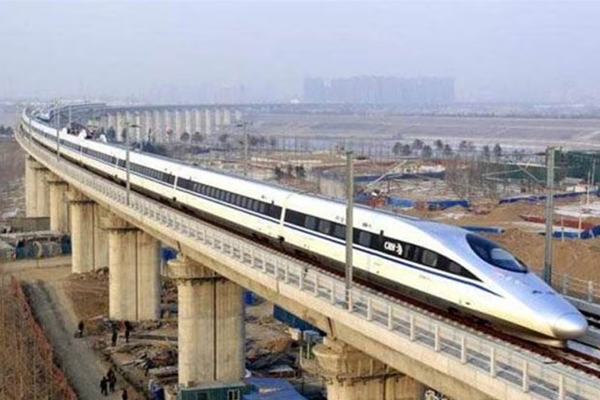

India’s First Indigenous High-speed Train
India’s first high-speed train is being manufactured and will run on the Mumbai-Ahmedabad high-speed rail (HSR) corridor by 2027. The design phase is almost complete. Manufacturing is being done by BEML-Medha in Bengaluru under contract from Integral Coach Factory (ICF) to build two chair-car high-speed trainsets. The train will run at 250 kilometers per hour with a maximum speed of touching 280. Reportedly, ICF expects manufacturing to start between April and June 2026. Component designs, including the carbody, bogies, suspension system, and doors, are being developed in parallel and are in the final stages. Each trainset will consist of eight coaches, including seven chair cars and one executive class coach, with pantry and toilet facilities like in chair-car Vande Bharat trains. Global vendors with a proven track record of supplying European high-speed rail systems have been engaged to ensure compliance with international performance and safety benchmarks. The objective is to localize with gradual development of domestic manufacturing capabilities. Fabrication of carbody shells will be done at BEML’s Bengaluru plant, while Medha will begin production of bogies at its Hyderabad facility. In parallel, Medha is also developing the Train Control and Management System (TCMS) software and working on the integration of Siemens’ signalling system with the train systems. The first prototype may roll out by December 2026, followed by a comprehensive testing and certification program lasting about seven to eight months, covering static and dynamic trials, safety validations, and high-speed test runs, including trials mandated by the Research Designs and Standards Organisation (RDSO). This could lead to the BEML-Medha consortium getting a follow-on order for 16 additional high-speed trainsets. Commercial services of the first two indigenous trainsets are expected to run on Surat–Bilimora section of the corridor