
Landmark India-eu Trade Deal Cuts Duties On Textiles, Footwear, Cars, Wines And More
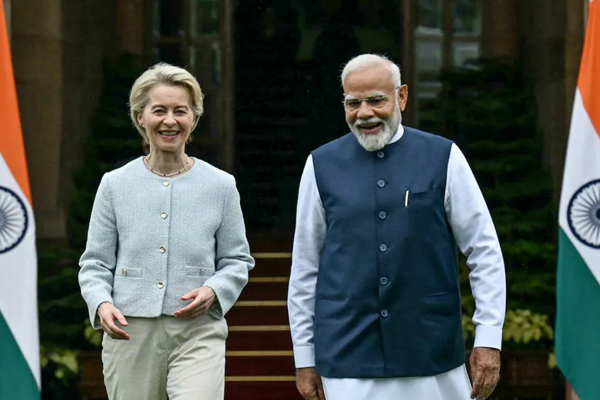
India and the European Union will announce a landmark free trade agreement (FTA) on 27 January 2026 after 17 years of negotiations, India’s Commerce Secretary Rajesh Agrawal has confirmed. The EU market accounts for about 17% of India's total exports, while India's exports to the bloc account for 9% of its overall overseas shipments. The significant expansion in two-way trade and investment flows will deepen economic integration. India and EU feel the agreement is balanced and forward-looking from India’s perspective and will help integrate the country more closely with the EU economy. European Commission President Ursula von der Leyen, who was the Chief Guest at India’s Republic Day celebrations, said that India makes the world quote “more stable, prosperous and secure. It is the honour of a lifetime to be Chief Guests at the Republic Day celebrations. A successful India makes the world more stable, prosperous and secure, and we all benefit,” end quote. The FTA focuses on import duty cuts in labour-intensive sectors like textiles, automobiles and footwear from India, and on cars and wines from EU. The 27-nation bloc European Union (EU) and India will liberalise regulations across various service sectors. Sensitive agricultural issues have not been part of the deal. The EU has been protective about its beef, sugar and rice markets. India will protect its farm and dairy sectors, for the sake of livelihoods of large numbers of small and marginal farmers. The FTA involves two parties lowering or removing import tariffs on more than 90% of the goods traded between them. The trade deal also involves easing regulations to promote trade in service sectors such as telecommunications, transportation, accounting, and auditing. EU and India are also negotiating an agreement on investment protection and Geographical Indications (GI). The India-EU FTA consists of 24 chapters, covering trade in goods and services